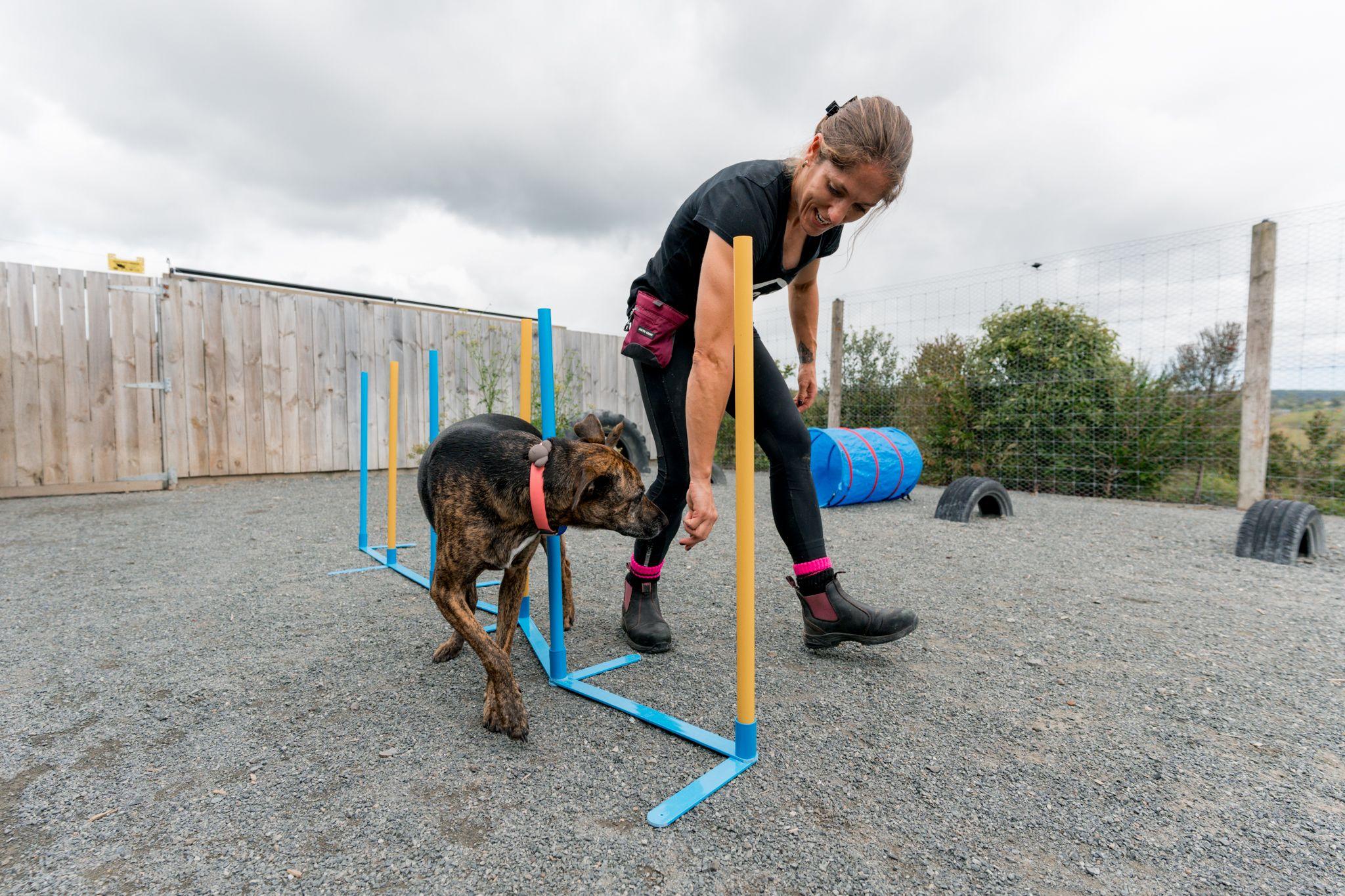

HOW ENRICHMENT CAN SUPPORT TRAUMA-AFFECTED PETS
For many pets arriving at Pet Refuge, reaching safety comes after experiencing trauma themselves.
Family violence can affect pets in many ways. Our Shelter Team sees pets who have experienced neglect as a form of coercive control, gone without essentials because of financial abuse, been subjected to physical or psychological abuse, or been exposed to violence within the home.
They then face another significant change: leaving their family temporarily and adjusting to new people, surroundings and routines while their family works towards safety.
Every pet responds differently, which is why care at Pet Refuge is never one-size-fits-all.
Every pet in our care receives a bespoke enrichment and training programme tailored to their individual needs, helping them rebuild confidence, engage in positive experiences and prepare for a happy life back with their family when it is safe to reunite.
WHY ENRICHMENT MATTERS
For our Shelter Team, enrichment is about much more than keeping a pet entertained.
It can give pets opportunities to make choices, provide appropriate outlets for natural behaviours, reduce stress and help build confidence through positive experiences.
Our team gets to know each pet — what motivates them, what they enjoy, what they're unsure of and where they may need additional support — and adapts their enrichment and training programme accordingly.
For a pet who is unsure of their surroundings, even choosing to investigate something new and discovering a reward can be a positive experience.
Our partner and expert animal behaviourist Mark Vette explains that mental stimulation is just as important as physical exercise. He describes exercise as the gym, while enrichment is everything else that enriches a pet's life: play, puzzles, exploring and opportunities to use their senses and instincts.
For trauma-affected pets, Mark says engaging activities can help occupy an anxious mind and ease hypervigilance.
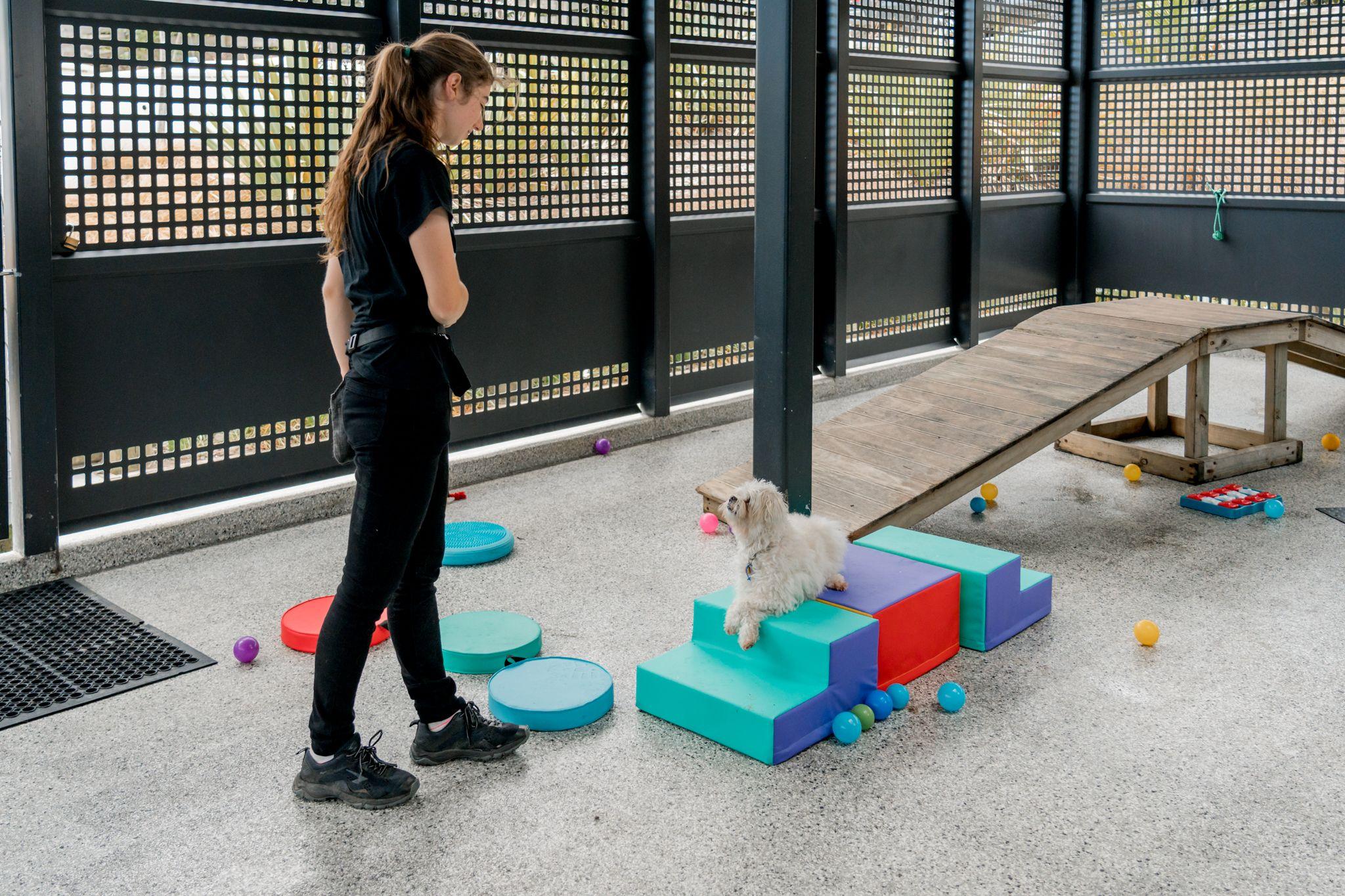
ENRICHMENT CAN BE SIMPLE
Bespoke doesn't necessarily mean complicated.
Some of the enrichment activities our Shelter Team can use are incredibly simple.
Try a snuffle mat. Hiding food or treats encourages sniffing and searching.
Use a lick mat or Kong. These can provide a low-stress activity that encourages licking and engagement, and freezing them can make the activity last longer.
Scatter their food. Rather than serving everything in a bowl, scattering appropriate food encourages natural foraging behaviour.
Make a search box. A cardboard box filled with shredded paper and hidden treats can encourage a pet to sniff, investigate and explore something new.
The important part is choosing activities for the individual pet. What one pet finds engaging could be overwhelming or uninteresting to another.
Mark also recommends tailoring enrichment to natural behaviours. Appropriate chewing and play can provide stimulation for dogs, while scratching, climbing, puzzle feeders and hunting-style play can give cats opportunities to use their natural instincts.
BUILDING CONFIDENCE AND TRUST
For pets who have experienced trauma, trust can take time.
At Pet Refuge, our Shelter Team allows each pet to engage at their own pace. Through their individual programme, we can gradually introduce positive experiences, reinforce positive behaviours and build on activities the pet enjoys.
We can't erase what a pet has experienced, but while they're with us, we can provide safety, consistency and opportunities to build confidence as they move forward.
Mark explains that enrichment can continue playing an important role for rescue and trauma-affected pets at home.
Shared play and enrichment can help build trust, connection and communication between a pet and their person. Positive reinforcement and clicker training can also become enrichment activities themselves, providing mental stimulation while reinforcing calm, confident behaviours.
Even games can have a purpose. Fetch can reinforce recall in dogs, while appropriate tug or chase games can help develop impulse control. For cats, puzzle feeders and hunting-style play can satisfy natural instincts.
PREPARING PET REFUGE PETS FOR LIFE BACK WITH THEIR FAMILY
For Pet Refuge, enrichment and training aren't just about a pet's time with us.
From the moment they arrive, we're caring for an individual pet who already has a family waiting to be reunited with them.
Their bespoke programme can evolve throughout their stay as our Shelter Team learns more about them, helping support their wellbeing, confidence and behaviours while they're in our care and preparing them for life afterwards.
For rescue or trauma-affected pets at home, the same principle of responding to the individual pet matters.
Start simply. Pay attention to how your pet responds. Give them choices and allow them to engage rather than forcing interaction. Find the activities they genuinely enjoy and use positive experiences to gradually strengthen your relationship.
For pets affected by trauma, progress doesn't need to happen all at once.
A sniff, a lick, finding a hidden treat, choosing to investigate something new or initiating a game can all be positive moments.
For Pet Refuge pets, those moments form part of the individual care we provide while their family works towards safety — helping them recover, rebuild confidence and ultimately return to the people they know and love.
Mark Vette is a qualified animal behaviourist and the trainer behind www.dogzen.com
Explore more

Read more pet stories
Read more pet stories, finding safety, their road to recovery and being reunited with their loving families.
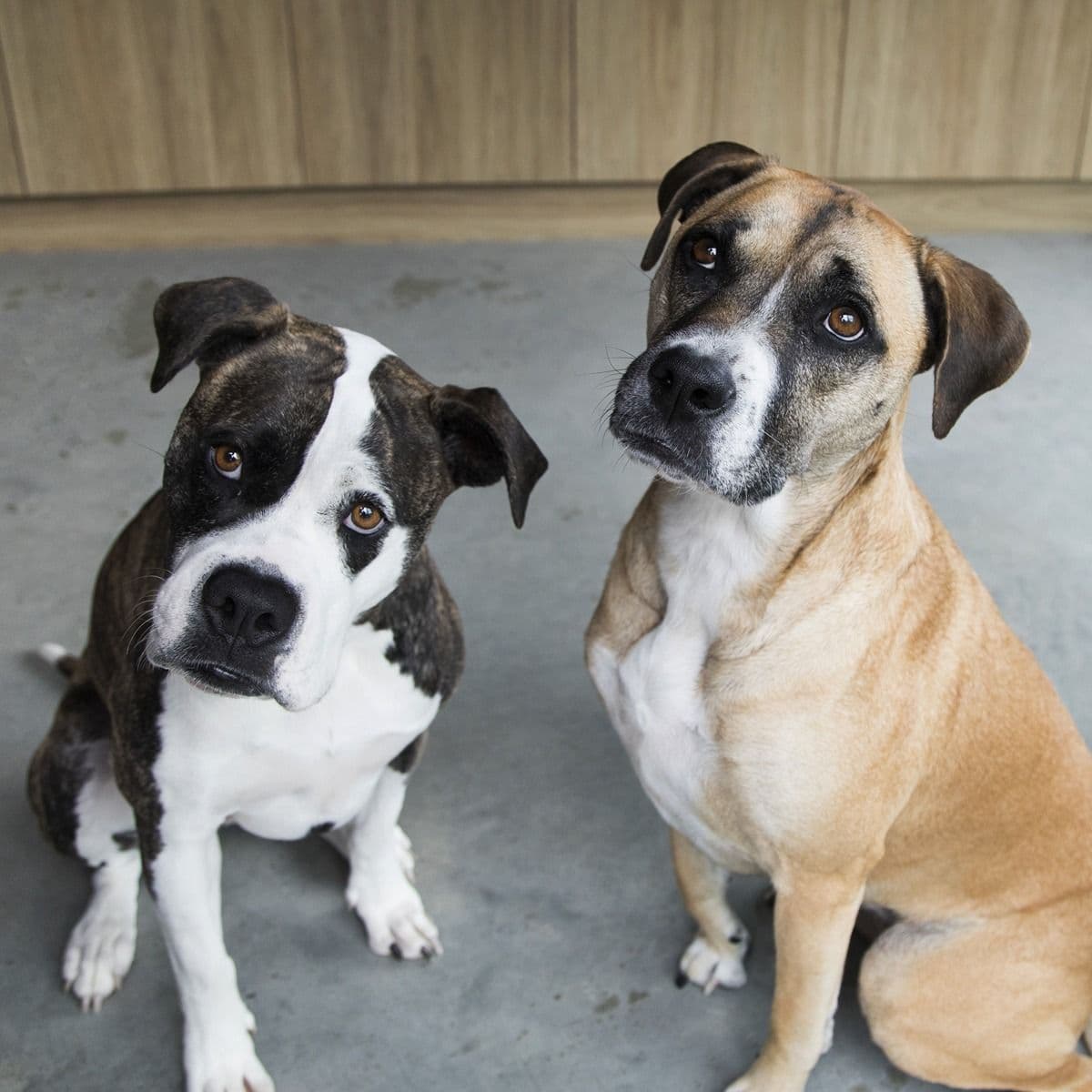
Donate now
Join our Safe Beds for Pets family of regular givers or make a one-off donation to help pets and their families escape violence together.
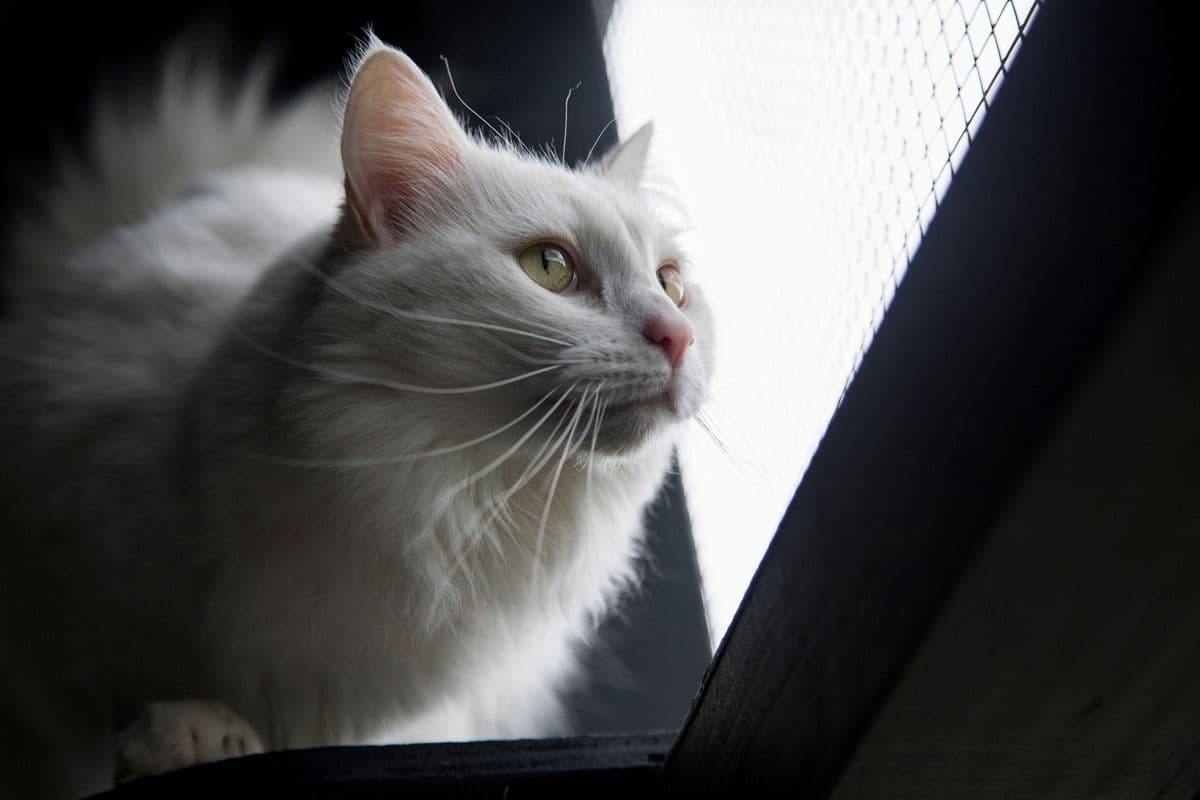
Other ways to help
From fundraising, legacy gifts, purchasing a gift and more, there are many different ways you can support pets in need.