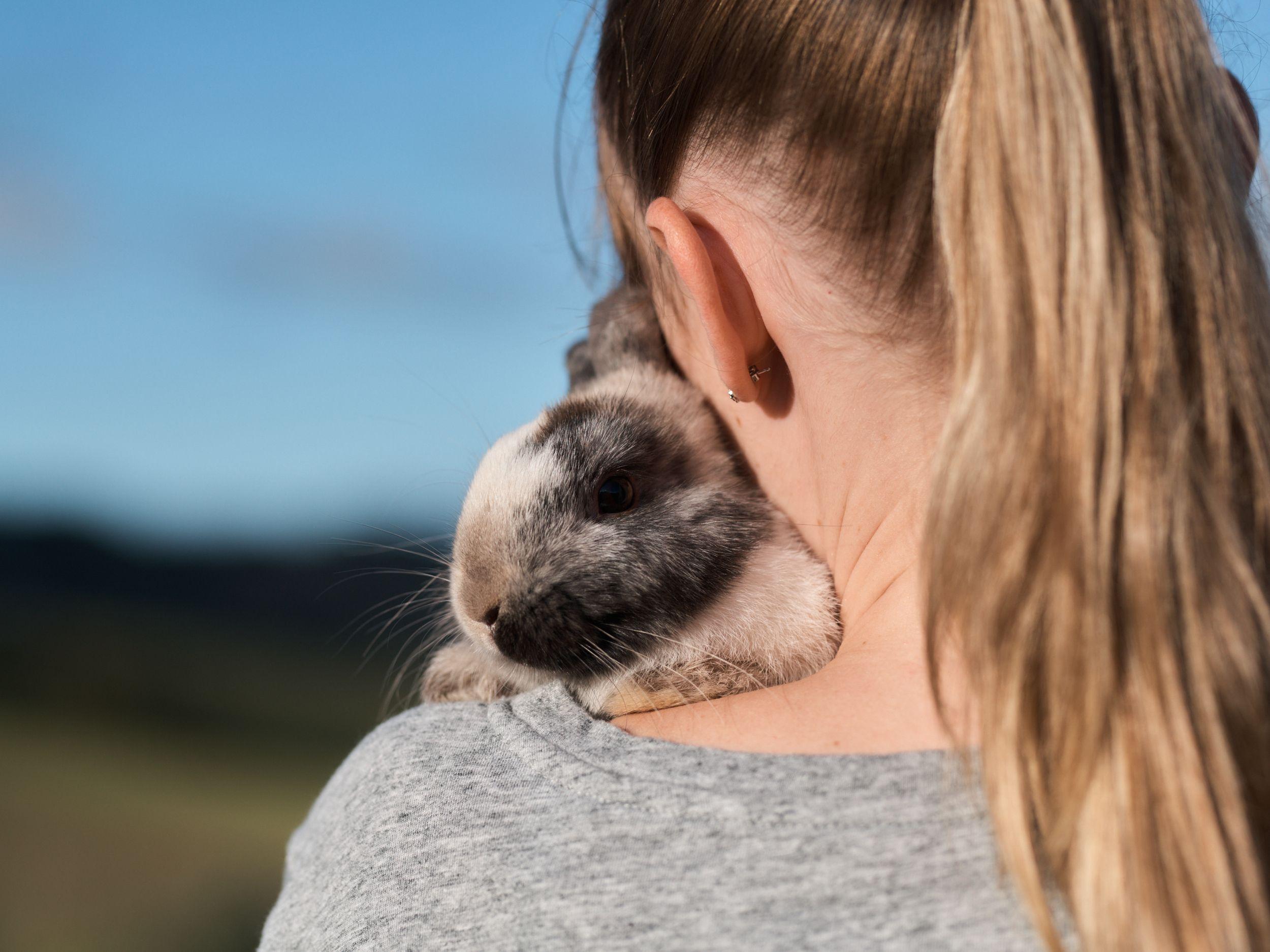

How threats involving pets can keep families trapped
When someone knows how deeply another person loves their pet, they can use that bond against them. Within family violence, threats involving a pet can become a way of controlling whether someone leaves, asks for help or makes decisions for themselves.
The threat might be to hurt the pet, take them away or prevent their family from ever seeing them again. No physical injury needs to occur for these words to have a serious effect.
This can form part of coercive control: a pattern of abuse that creates fear and restricts someone’s freedom and choices.
With Pet Refuge partner and ambassador Debbs Murray of ECLIPSE Family Violence Services, we look at how these tactics work, how promises can reinforce the pattern and what support for pets can make possible.
What can these tactics look like?
Threatening to hurt a pet
“If you leave, I’ll hurt your pet.”
A threat like this can make someone feel that seeking safety will put their pet in danger. They may believe that staying close to their pet is the only way to actually protect them.
The threat does not have to be carried out to affect their decisions.
Threatening to take a pet away
“You’ll never see your pet again.”
Someone may threaten to sell, give away or hide a pet, knowing how distressing that loss would be for their family.
These threats can pressure someone into staying, returning to the relationship or doing what abuser demands in order to try and stay as safe as they can.
Making it seem there is nowhere safe to go
“You can’t take your pet with you. There’s nowhere for them to go.”
An abuser may insist that a victim leaving means they are abandoning their pet. They may draw attention to the fact that the pet would be left in their care, making the person afraid of what could happen in their absence.
If the victim does not know about support for pets, such as Pet Refuge they may feel they have no safe option.
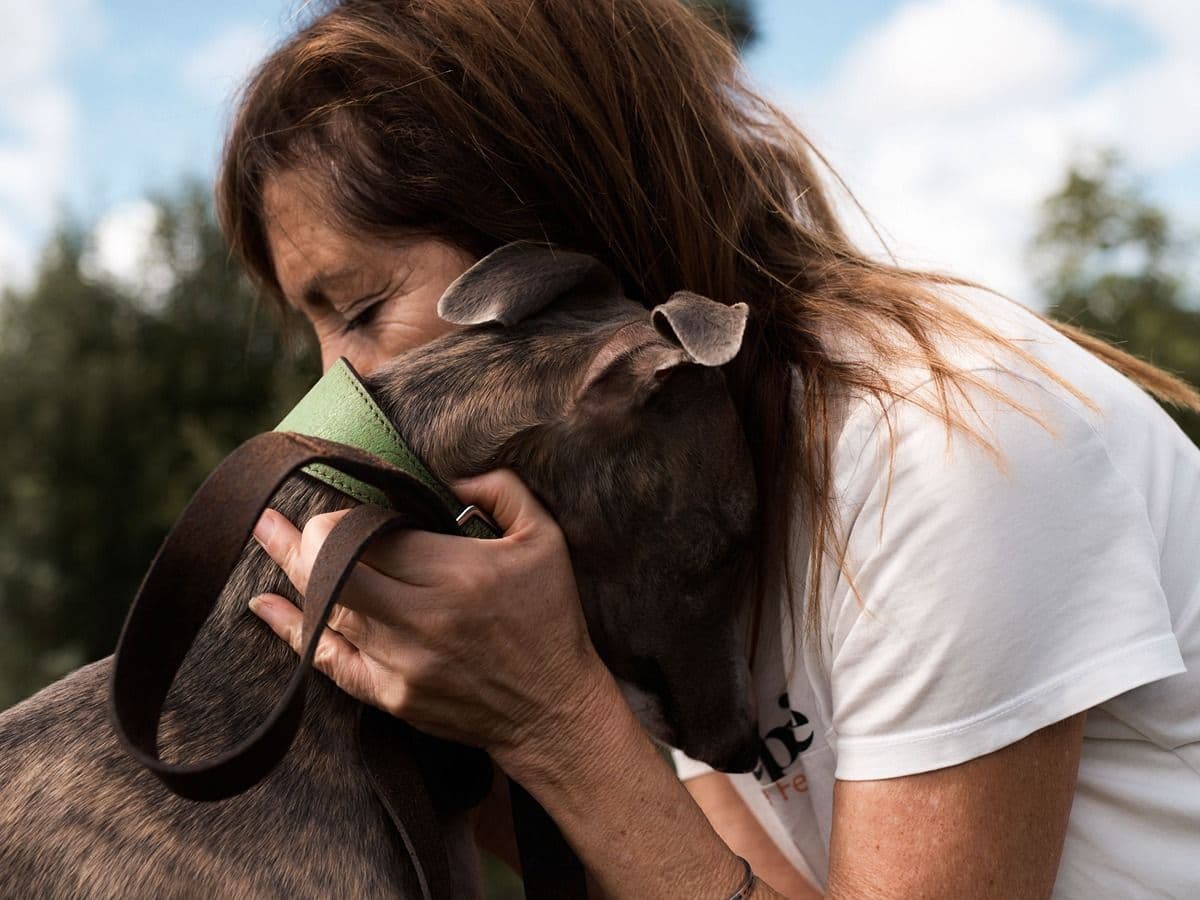
Why these are more than “just words”
Threats need to be understood in the context of the relationship.
Teh victim may have experienced violence, intimidation or other controlling behaviours that gives them reason to be afraid. Their pet may have been harmed before, but previous physical pet abuse is not necessary for a threat to create fear.
For example, someone may want to contact a support service but be afraid their pet will be taken away if the call is discovered. They may delay asking for help or change their plans to keep the pet close.
From outside the relationship, others may see someone who has not left. What they cannot see is the threat influencing that decision.
Promises can be part of the pattern too
Threats may be followed by reassurance, affection or promises of change.
“I know how much you love your pet. I promise I won’t hurt them.”
For the victim, this can create hope that they and their pet will now be safe. Within an abusive pattern, reassurancemay be used to persuade them to stay or stop seeking support.
An apology, kindness and/or remorse is also coercive control, it is just a different tactic to continue to control where the victim and pet are. Even if the tactic is love and remorse, the important thing to consider is if the victim can make their own decisions without fearing consequences.
Believing a promise and hoping for change does not make someone responsible if the abuse continues.
How Pet Refuge helps
Knowing their pet has somewhere safe to go can give someone an option they did not know existed.
Pet Refuge provides temporary shelter and care for pets from across New Zealand while their families escape family violence. Our service includes transport, veterinary care, enrichment and regular updates for families, at no cost to them.
A pet does not need to have been physically harmed for their family to ask us for help. If concern for their pet’s safety is making it difficult to leave, our team can talk through how we may be able to support them.
Pets already have loving families. They are with us temporarily and reunite with their families when safe.
Need support?
For help with your pet, contact 0800 PET REFUGE or help@petrefuge.org.nz, when it is safe to do so.
If you or someone else is in immediate danger, call 111.
Developed in collaboration with Pet Refuge partner and ambassador Debbs Murray of ECLIPSE Family Violence Services.
Explore more

Read more pet stories
Read more pet stories, finding safety, their road to recovery and being reunited with their loving families.

Donate now
Join our Safe Beds for Pets family of regular givers or make a one-off donation to help pets and their families escape violence together.
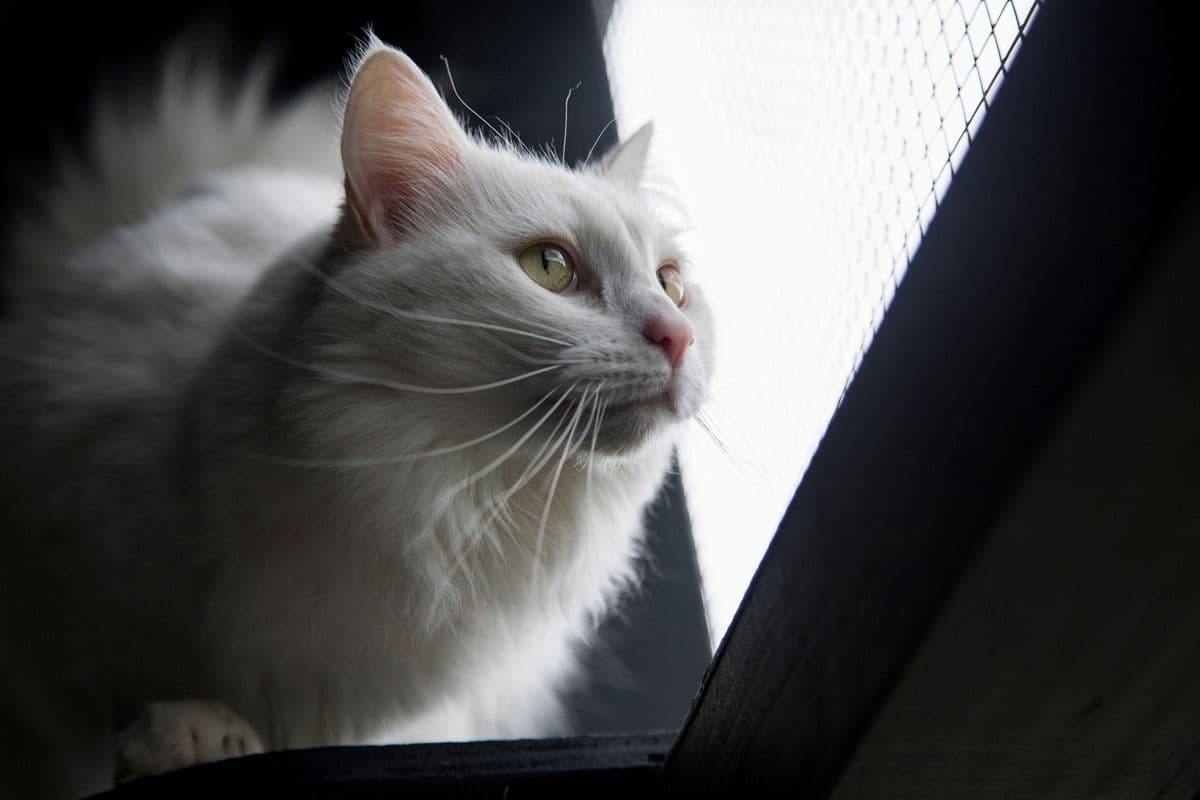
Other ways to help
From fundraising, legacy gifts, purchasing a gift and more, there are many different ways you can support pets in need.