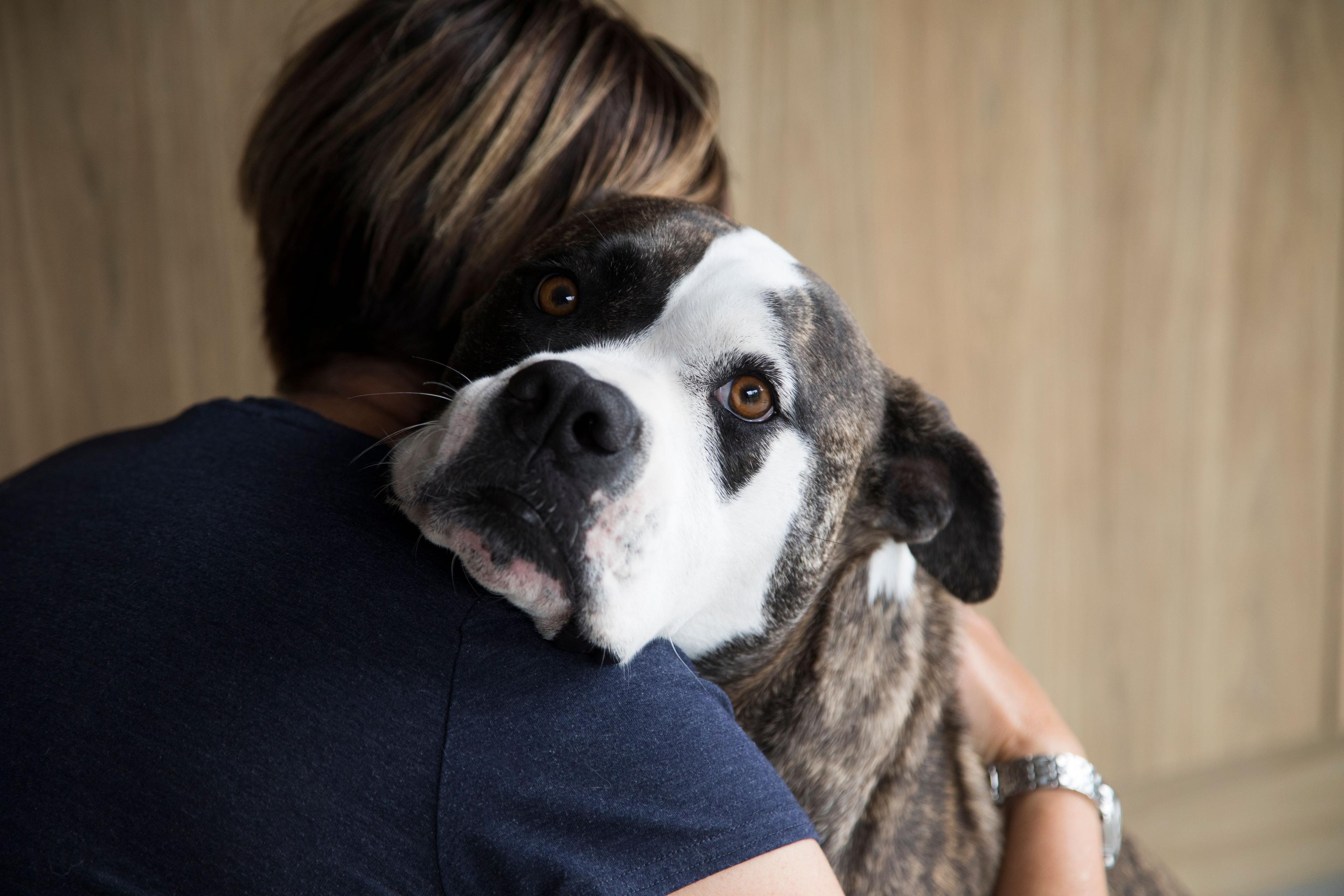
With animal behaviourist Mark Vette of DogZen and family violence specialist Debbs Murray of ECLIPSE Family Violence Services, we explore the human–pet bond, how it can be exploited, and why protecting pets helps families reach safety.
A familiar greeting at the door. A cat settling beside you. A dog resting their head on your knee after a difficult day.
These moments are part of a relationship built through shared life. We learn our pets’ habits, care for them and find comfort in their company.
For someone experiencing family violence, that relationship can be one of the few places they find affection and consistency. It can also become a relationship an abuser deliberately targets.
A bond built through everyday life
Animal behaviourist and partner Mark Vette explains that attachment develops through time together, affection and shared routines, including feeding, walking, grooming and playing.
A person becomes someone their pet relies on, while the pet becomes a familiar and important presence in their person’s life.
There is biology behind that connection too. Research found that when dogs and their people looked into each other’s eyes, it could activate a feedback loop: eye contact increased oxytocin in the person, encouraging affectionate interaction, which in turn increased oxytocin in the dog. Oxytocin is a hormone involved in social bonding, including the bond between parents and infants. This helps explain why everyday moments with a dog can feel so meaningful: they engage biological processes that reinforce the human–pet bond.[1]
Cats also form deep attachment relationships with their people. Research published in Current Biology found that around two-thirds of the cats assessed showed secure attachment, looking to their caregiver as a source of comfort and reassurance in an unfamiliar situation.[2]
This helps explain why the bond can be so significant for both sides of the relationship. A person may find companionship and comfort in their cat, while the cat also relies on them for a sense of security. Their person becomes a “secure base” from which they can explore and return for reassurance — an attachment pattern also seen in dogs and human infants.[2]
These findings reflect something many families recognise: people and pets can provide reassurance for each other.
For Mark, that connection is built into everyday life: the morning walk, the familiar voice and the quiet company.
A source of comfort in an increasingly isolated world
Family violence specialist and survivor Debbs Murray of ECLIPSE Family Violence Services explains that coercive control can progressively restrict someone’s access to support.
An abuser may interfere with friendships, prevent family contact, restrict employment or make social activities unsafe. Isolation can also be geographical, moving someone far from support without reliable transport or communication.
A pet may remain one of the few sources of comfort and affection.
Debbs describes the significance of holding a pet, crying into their fur or finding reassurance in a familiar nudge or purr when life at home is frightening and unpredictable.
What makes victims' situations different is that an abuser can use that love against them — threatening a much-loved pet to create fear and control their choices.
How the bond becomes a weapon
Debbs explains coercive control as a pattern of behaviour used to create fear, restrict freedom and maintain power over another person.
Threatening or physically harming a pet may sit alongside financial control, isolation, intimidation and other abuse.
An abuser may threaten to hurt a pet if someone leaves, refuse to let them take their pet when they leave the relationship, withhold essentials like food and vet care or restrict contact. After harming a pet, an abuser can use reminders of that incident to frighten someone into complying or stop them from leaving.
The bond that gives someone comfort can also keep them trapped. Fear for their pet can delay someone’s departure from a violent home because they cannot see a safe way out for them both.
Women’s Refuge’s 2018 research reflects this: among respondents who had experienced intimate partner violence and threats or abuse towards pets, 53% reported delaying leaving because they feared for an animal’s safety.[3]
Knowing their pet has somewhere safe to go can help remove that barrier, giving families a way to leave without leaving their pet behind. That is why Pet Refuge exists.
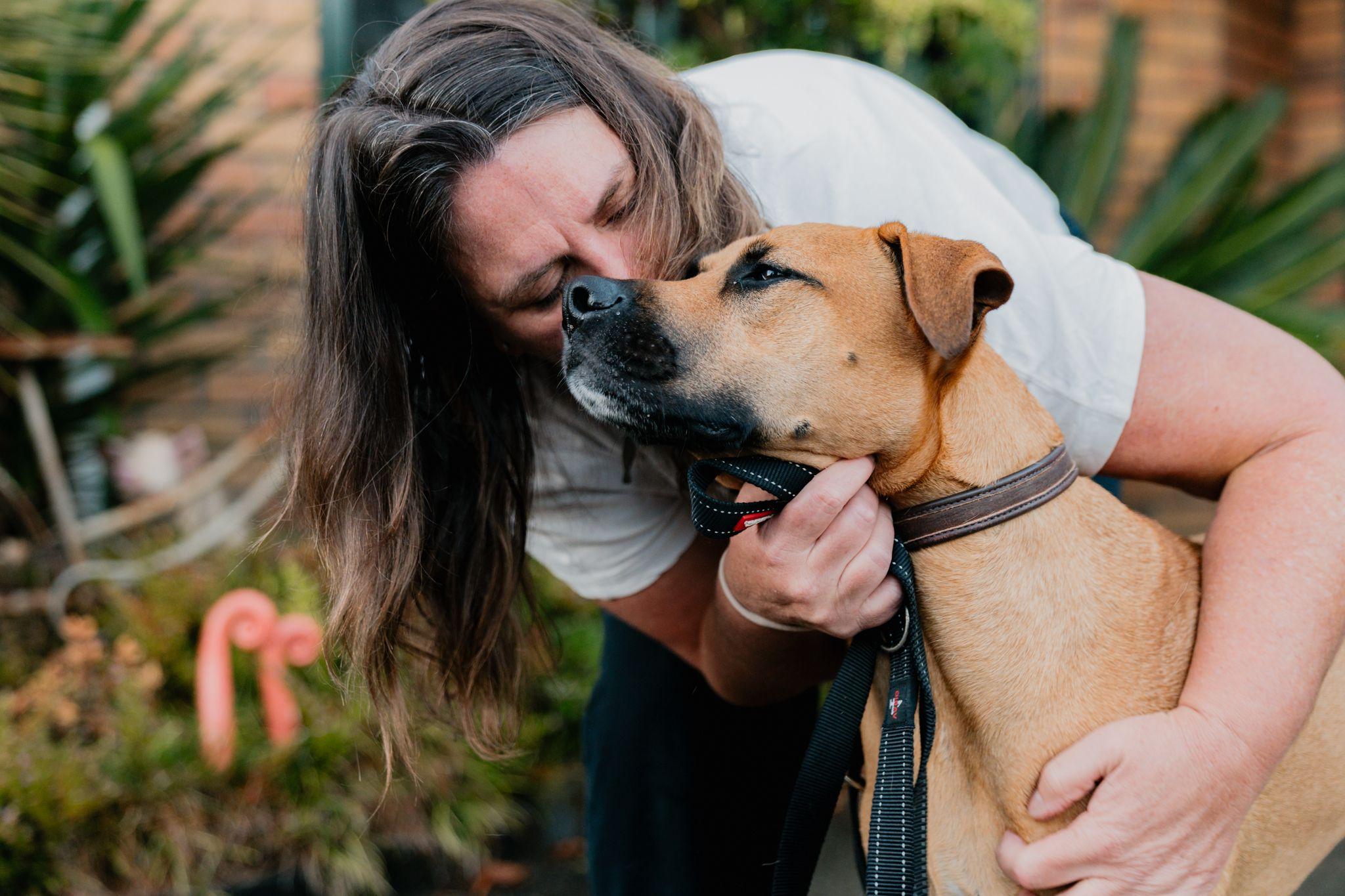
Tilly* and Raffy's* story
“He weaponised those dogs because he knew how much I cared about them.”
Clara* describes Tilly as bright and full of energy, while Raffy is a sensitive little dog — her “wee best bud”.
Her former partner physically hurt both dogs. Over time, they began flinching when people reached to pat them, and Tilly lost much of her usual enthusiasm.
He also used the dogs to control Clara. If he believed she had done something wrong, he would threaten to separate them, knowing how dependent Raffy was on Tilly. He would then blame Clara for Raffy’s distress. He threatened to take the dogs away, claiming they belonged to him because he had paid for them.
“He weaponised those dogs because he knew how much I cared about them.”
Clara tried to keep the dogs with her so they would not be alone with him. When she began planning to leave, she feared he would find them and use them against her again.
Through Women’s Refuge, Clara connected with Pet Refuge. Knowing the dogs were somewhere safe allowed her to focus on finding a home. Their care included vaccinations that had lapsed because of financial control, while weekly photos helped her stay connected and motivated.
“If I hadn’t known there was somewhere safe for the dogs to go, I would have stayed in that situation for a lot longer.”
Clara has since found a home and is looking forward to their fresh start together.
*Names have been changed and identifying details removed to protect the family’s safety.
Protecting pets and the bond they share with their families
Pet Refuge provides temporary shelter and care for pets while their families escape family violence and secure their safety. Through nationwide transport, our confidential shelter and trusted boarding partners, we support families across New Zealand.
That temporary care protects an important relationship. Families can leave knowing their pet is safe, without having to permanently give up a beloved family member to protect them from harm.
For pets who have experienced abuse, reaching safety can be the beginning of their recovery. Our team develops individual care plans to support their physical and emotional needs through veterinary treatment, consistent routines, and tailored enrichment and training. This care helps pets heal, rebuild trust and confidence, and prepare for their new lives in safety.
The separation is temporary; our purpose is to preserve their future together. When it is safe, we reunite pets with their families, protecting the bond they share as they recover and rebuild their lives together.
Help protect a bond that matters
No one should have to leave a much-loved pet in danger to reach safety.
Your support helps Pet Refuge provide safe shelter and care while families escape violence, then reunite them with their pets when it is safe — protecting a relationship that can mean so much as they rebuild their lives.
References
- Nagasawa, M. et al. (2015). Oxytocin-gaze positive loop and the coevolution of human-dog bonds. Science, 348(6232), 333–336. Read the research. pubmed.ncbi.nlm.nih.gov
- Vitale, K. R., Behnke, A. C. & Udell, M. A. R. (2019). Attachment bonds between domestic cats and humans. Current Biology, 29(18), R864–R865. Read the research. pubmed.ncbi.nlm.nih.gov
- Women’s Refuge (2018). Pet Abuse as Part of Intimate Partner Violence. The survey focused on people who had experienced intimate partner violence and pet abuse; its findings should not be generalised to everyone experiencing family violence. Read the report.
Explore more

Read more pet stories
Read more pet stories, finding safety, their road to recovery and being reunited with their loving families.

Donate now
Join our Safe Beds for Pets family of regular givers or make a one-off donation to help pets and their families escape violence together.
Other ways to help
From fundraising, legacy gifts, purchasing a gift and more, there are many different ways you can support pets in need.